
Get Japanese Barberry Removal in College Station, TX
Local contractors in College Station, TX, can remove Japanese Barberry to eliminate invasive plants, clear overgrown areas, and restore your landscape’s health and appearance.
Japanese Barberry removal is a common concern for property owners in College Station, TX, especially for those looking to maintain a healthy and attractive landscape. If invasive plants like Japanese Barberry are present on a property, they can interfere with native plant growth, reduce curb appeal, and potentially impact overall yard health. Exploring professional removal options can help property owners develop effective planning strategies to manage and eliminate these plants, ensuring their landscape remains vibrant and well-maintained.
For those considering removal services, it’s important to compare local contractors who specialize in invasive plant management. Many experienced service providers in College Station can assess the extent of Japanese Barberry growth and recommend appropriate removal methods. Continuing to read can provide insights into how connecting with qualified local experts can support property owners in planning and executing an effective removal project tailored to their specific landscape needs.
- Japanese Barberry Removal - needed when invasive shrubs threaten native plant life in neighborhoods around College Station, TX.
- Japanese Barberry Clearing - required if overgrown bushes are affecting property aesthetics in nearby residential areas.
- Invasive Shrub Control - necessary when Japanese Barberry spreads into local parks and green spaces.
- Barberry Bush Removal - called for when dense thickets encroach on yards and landscaping in College Station communities.
- Japanese Barberry Eradication - sought after when invasive plants are disrupting local ecosystems and garden health.
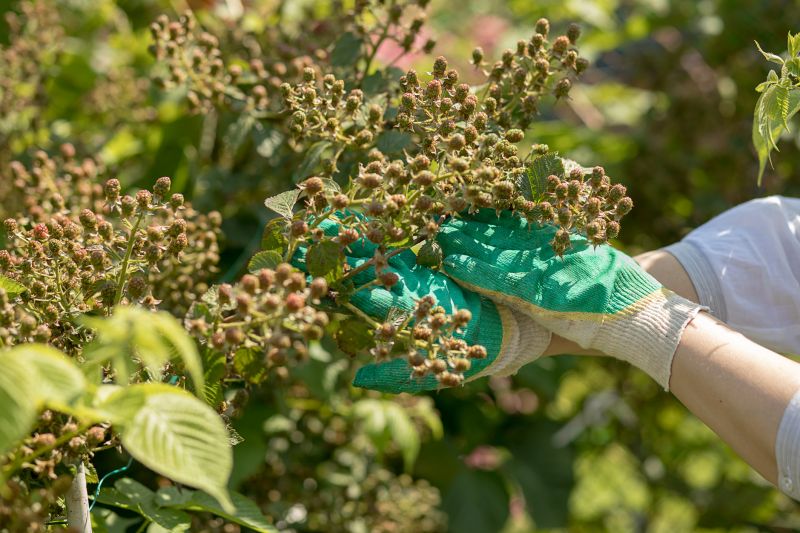
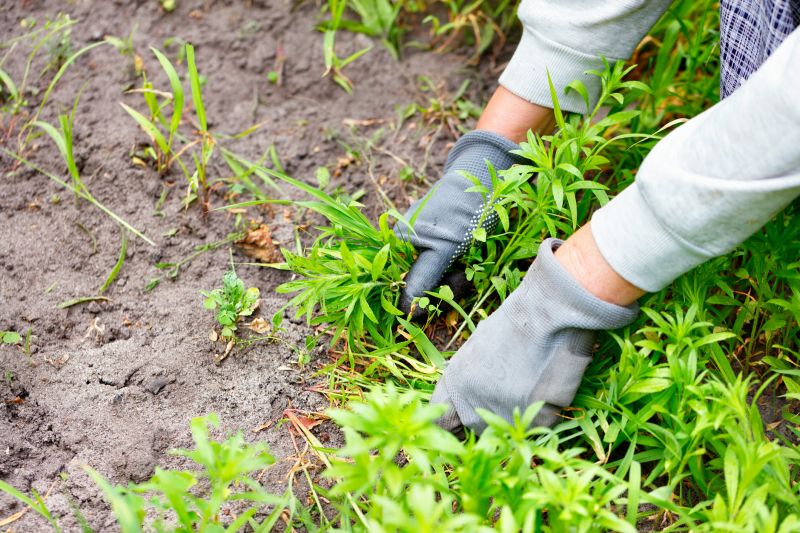
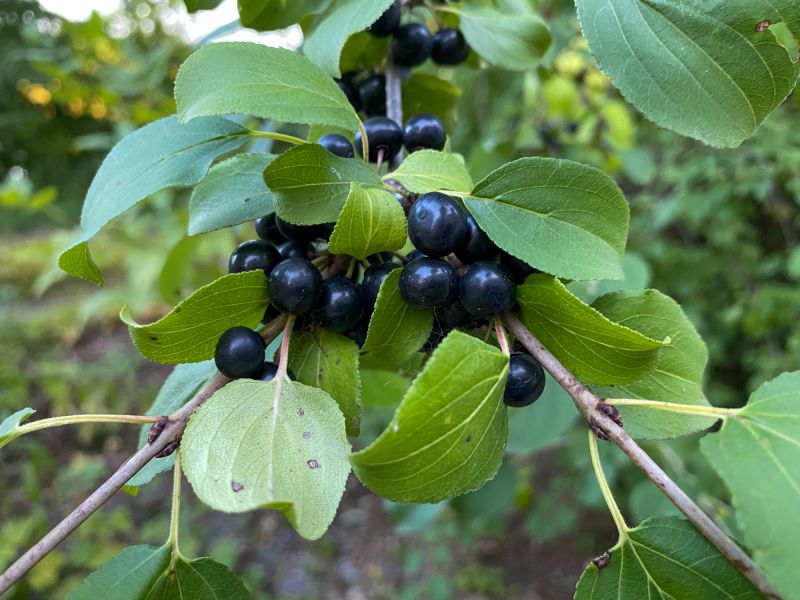
Japanese Barberry Removal services involve the careful elimination of this invasive shrub from residential or commercial properties. Trained service providers use specialized techniques to safely remove the plants, which may include physical removal, root extraction, and disposal methods designed to prevent regrowth. This process helps restore the natural landscape and prevents the spread of Japanese Barberry to surrounding areas, maintaining the health and appearance of the property’s landscape.
This service is especially beneficial for addressing a range of landscape problems caused by Japanese Barberry. The shrub often encroaches on lawns, garden beds, and natural areas, crowding out native plants and reducing biodiversity. It can also create dense thickets that hinder outdoor activities and limit visibility around the property. Removing Japanese Barberry can improve curb appeal, promote healthier plant growth, and reduce the risk of pests and diseases that sometimes thrive in its dense foliage.
Properties that typically utilize Japanese Barberry Removal services include residential homes with landscaped yards, community parks, and commercial properties with outdoor spaces. Homeowners who notice the plant spreading into flower beds or along fences may seek removal to protect their garden investments. Similarly, property managers and business owners may opt for removal to maintain a tidy appearance and prevent the invasive shrub from overtaking natural areas or landscaping features.
Homeowners in College Station, TX, and nearby areas who are dealing with unwanted Japanese Barberry growth can benefit from connecting with experienced local service providers. These professionals are equipped to assess the extent of the invasion and recommend appropriate removal strategies. Engaging with local contractors ensures the work is handled efficiently and effectively, helping to preserve the beauty and health of the property’s landscape while controlling invasive plant issues.
The overview below groups typical Japanese Barberry Removal projects into broad ranges so you can see how smaller, mid-sized, and larger jobs often compare in College Station, TX.
In many markets, a large share of routine jobs stays in the lower and middle ranges, while only a smaller percentage of projects moves into the highest bands when the work is more complex or site conditions are harder than average.
Smaller Removal Jobs - Most local contractors charge between $250 and $600 for removing small to medium-sized Japanese Barberry bushes. Many routine projects fall within this range, especially for properties with limited infestations. Larger or more complex jobs can exceed this range, depending on the extent of the growth.
Moderate Landscape Clearing - For larger areas requiring extensive removal or partial landscaping, costs typically range from $600 to $1,500. These projects often involve multiple plants or overgrown sections and are common for homeowners seeking a significant landscape update.
Full Property Removal - Complete removal of Japanese Barberry across an entire property can cost from $1,500 to $4,000 or more. Such projects are less frequent but necessary for severe infestations or when preparing land for new landscaping.
Complete Replacement or Replanting - When removal is combined with landscape redesign or replanting, costs can reach $5,000+ depending on the scope. Many local service providers can handle these larger, more detailed projects, which are less common but essential for comprehensive property restoration.
Actual totals will depend on details like access to the work area, the scope of the project, and the materials selected, so use these as general starting points rather than exact figures.
Invasive Plant Removal - Professionals experienced in removing invasive plant species can apply similar techniques used in Japanese Barberry removal to control unwanted vegetation and restore native landscapes.
Landscape Clearing - Landscape clearing contractors utilize planning and tools comparable to those used in shrub removal projects to prepare areas for new planting or construction.
Brush and Shrub Thinning - Local contractors skilled in thinning overgrown shrubs and brush can address dense vegetation, similar to managing Japanese Barberry infestations.
Ground Cover Restoration - Restoring ground cover involves removal of invasive species and planting native plants, requiring planning and plant management skills akin to invasive shrub removal.
Garden Bed Preparation - Preparing garden beds often involves removing unwanted plants and weeds, utilizing tools and techniques similar to Japanese Barberry eradication efforts.
Tree and Shrub Pruning - Pruning services that focus on shrub health and structure share skills with invasive shrub removal, including planning and precise tool use.
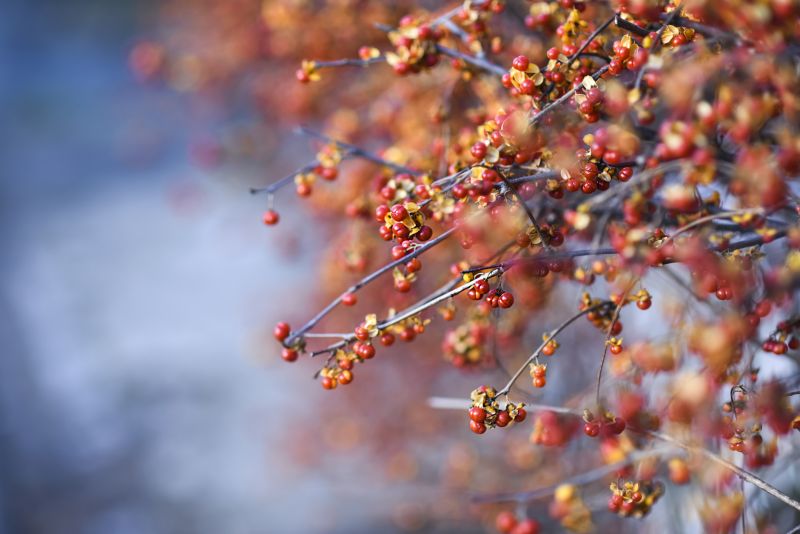
When selecting a service provider to remove Japanese Barberry, it’s important to consider their experience with similar landscape or invasive plant removal projects. Homeowners should inquire about how long a contractor has been working in the area and whether they have handled properties with comparable plant removal needs. An experienced professional will be familiar with the specific challenges involved in Japanese Barberry removal and be better equipped to recommend effective strategies, ensuring the job is done thoroughly and efficiently.
Clear, written expectations are essential for a smooth working relationship. Homeowners should seek contractors who can provide detailed descriptions of their services, including the scope of work, methods used, and any preparations needed. Having this information in writing helps prevent misunderstandings and ensures that both parties are aligned on the project’s goals. It’s also useful to ask for reputable references or examples of past projects, which can offer insights into the quality of work and reliability of the service provider.
Good communication is a key factor when comparing local contractors for Japanese Barberry removal. Service providers who are responsive, transparent, and willing to answer questions can make the process easier and more predictable. Homeowners should look for professionals who listen carefully to their concerns and provide clear explanations about their approaches. It’s important to remember that this site introduces homeowners to local options for these services, rather than performing the work directly, so taking the time to evaluate each provider’s experience, clarity, and communication can help ensure a successful project outcome.
Property owners in College Station, TX use Japanese Barberry Removal services for practical projects around their homes and businesses. This guide focuses on everyday jobs and straightforward project options.
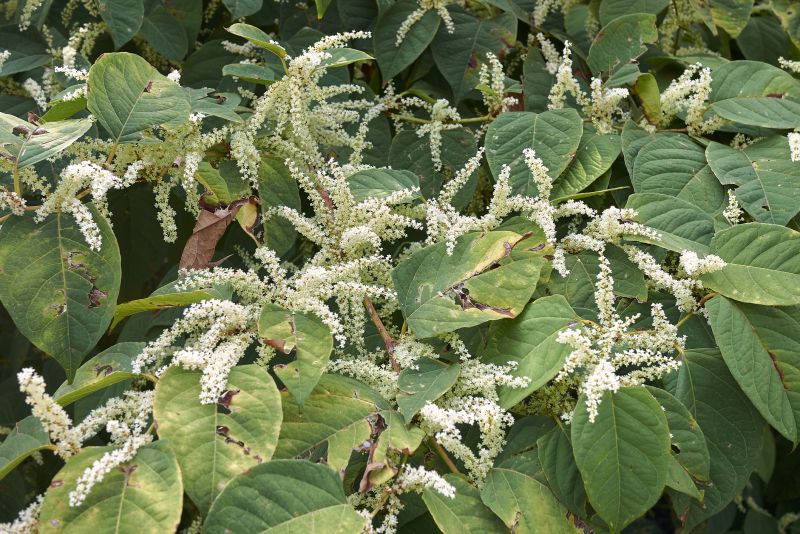
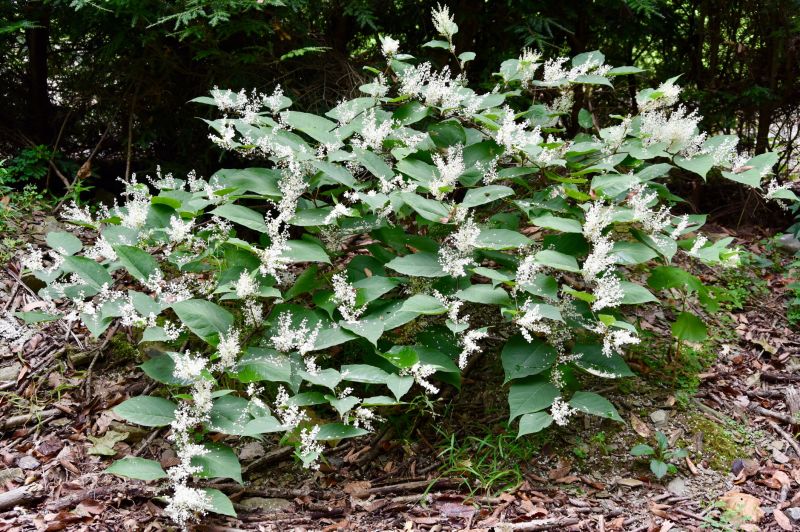
Property owners in College Station, TX might seek Japanese Barberry removal services when invasive shrubs begin to overtake their yards, making outdoor spaces less enjoyable or harder to maintain. Overgrown or densely packed Japanese Barberry can also attract pests or create barriers that limit access to certain areas of a property. Local contractors who specialize in invasive plant removal can help clear these bushes, restoring the landscape's appearance and making it easier to care for the yard.
Additionally, homeowners may look for Japanese Barberry removal when preparing for landscaping projects or property improvements. Removing these plants can prevent them from spreading further and encroaching on other garden areas. Service providers in the area can provide the expertise needed to safely and effectively remove Japanese Barberry, helping property owners maintain a healthy and attractive outdoor environment.
What are the signs of Japanese Barberry infestation? Signs include dense, thorny shrubs with red berries and leaves that may turn reddish in the fall, often spreading quickly in garden areas.
Why should Japanese Barberry removal be handled by professionals? Professionals have experience in safely and effectively removing these invasive plants to prevent regrowth and minimize disruption to surrounding plants.
How do local contractors typically remove Japanese Barberry? They usually use techniques like cutting, digging, and applying targeted herbicides to eliminate the plants and their roots thoroughly.
Are there specific times of year when removal is more effective? Removal is often most effective during the plant’s active growing season, typically in spring or early summer, when the plants are easier to identify and treat.
What should property owners consider before starting Japanese Barberry removal? It’s important to assess the extent of the infestation and consult with experienced service providers to determine the best removal approach for the property.
Japanese Barberry Removal - Property owners can clear invasive bushes to improve the appearance and health of their landscape.
Japanese Barberry Removal - Homeowners may seek assistance to prevent the spread of this plant into surrounding areas.
Japanese Barberry Removal - Gardeners can remove overgrown or unwanted bushes to create more open yard space.
Japanese Barberry Removal - Landowners can work with local contractors to maintain a safe and manageable outdoor environment.
If you are thinking about Japanese Barberry Removal for a property in College Station, TX, this guide is meant to help you understand the work, the typical project types, and how different options might fit your plans.
When you are ready, you can use the quote form on this page to share a few details about your project. From there, local pros can review the basics and respond with options that match what you have in mind.